The Many Accents of Belonging
By Beautlyn Eliab
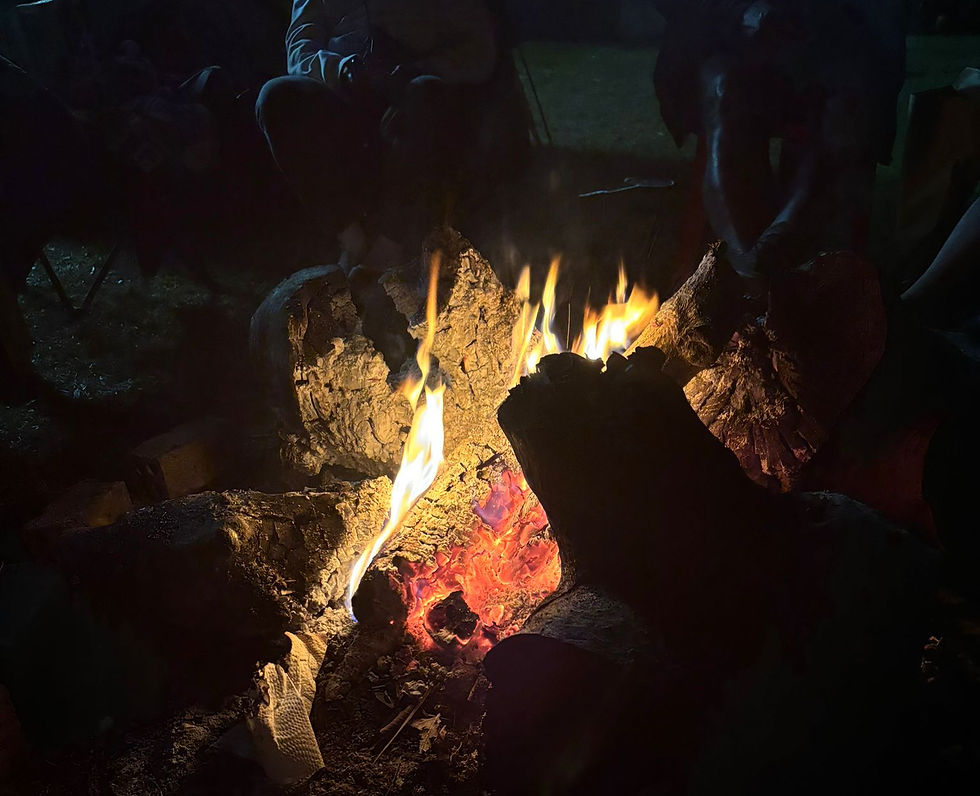
Growing up, I always spend my school holidays in the village with my grandparents. Evenings in our village always ended the same way with Tino'o (my grandmother) Irave sitting by the fire, her voice rising above the crackle of burning wood. The air would smell of smoke and damp soil, and children would crowd around her knees, our faces half-lit by the flames. She would tell us stories about the old days, how words were born, how names remember, how every sound carries a piece of home.
Her voice had a rhythm that belonged to the land, gentle but firm, like rain on a tin roof. She would say, “When you call someone by name, you give them a place to stand.” Even then, I felt that names were not just sounds. They were maps, tiny pieces of geography that lived in the mouth.
The Weight of a Name
As I grew older, I began to understand what she meant. My own name, like many Papua New Guineans’, carried two worlds: one modern, one ancestral. The modern name linked me to classrooms, airports, and emails. The traditional one, Hiha, belonged to the land of my father’s people in Yangoru-Saussia, East Sepik. My sister’s, Swanimbi, carried its own rhythm. Each name connected us back to stories whispered around village fires long before we were born.
Every introduction I made outside my family felt like a small test. People would pause, unsure how to pronounce my name, stretching or rushing through it, trying to make it fit their own rhythm. For a long time, I corrected them gently. Now, I simply listen. Because the way someone says your name tells you whether they’re truly hearing you or just speaking at you.
Names, like language and accents, holds both geography and identity. My accent has always been a bit of a traveller, part Agarabi, my mother’s tongue from the Eastern Highlands Province; part Tok Pisin, carrying that Kainantu lilt; part Port Moresby, where I sprinkle in Motu words like madi (“sorry”) and tanikiu (“thank you”); part American from when I worked with SIL PNG and learned to pronounce “urn” with emphasis on the “r” sound; and part Melbourne, Australia where and I studied for two years and I learned that data can sound flat or round depending on who’s listening.
There was a time I thought this meant I didn’t belong anywhere, that I was split into pieces by the places I had lived, learned and worked.
In the village, my relatives teased that I was too modern, my Tok Pisin too polished, my clothes too city. In Port Moresby, I was too fancy for some, speaking English when I could’ve just said mi olrait (I’m OK). Yet in classrooms and meetings where English flowed effortlessly, I was too Papua New Guinean, my vowels heavy with home, my idioms unfamiliar, my laughter too loud.
For years, I tried to smooth the edges, to fit neatly into one version of myself. But I’ve since learned that my shifting tones are not fragments, they are evidence. Proof of movement, of courage, of connection and part of who I am. Each change in sound is a story. Each tone, a trace of home.
Language as Home
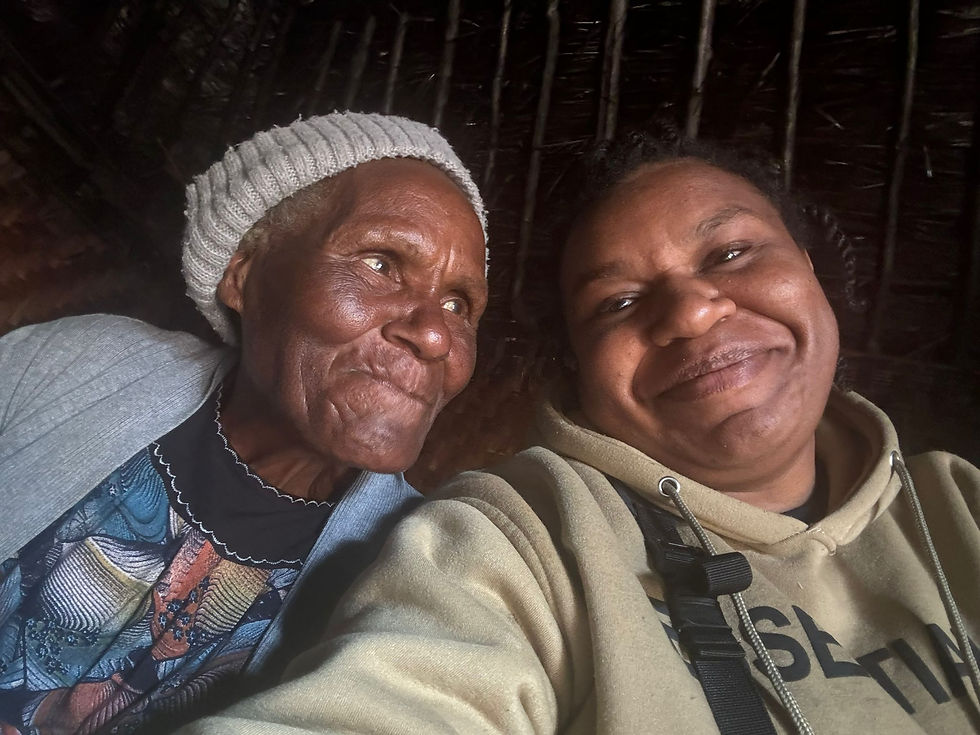
My grandmother used to say, “Taim tok ples bilong mipela i pinis, em olsem haus i pundaun.”“When our language dies, it is as if our house has fallen.”
I didn’t understand the weight of those words until years later, when I studied linguistics at the University of Papua New Guinea and later worked with SIL PNG. I spent time in communities where languages were fading, and I remembered her voice by the fire. I realised language isn’t just a tool for communication, it’s a shelter. It keeps our stories from slipping away, carries our traditions forward, and shapes how we see ourselves in the world.
When people are spoken to in their own language, something lights up inside them. It’s more than understanding, it’s belonging. It’s home.
Between Two Languages
My world now moves between two languages: the language of people, and the language of institutions.
The first is filled with laughter, Tok Pisin, and silence, the kind of silence that speaks louder than words. The second is full of acronyms and frameworks: PRP, GEDSI, CNA; neat terms that live inside policy papers and PowerPoint slides. Both are necessary. One gives structure, the other gives soul.
Sometimes my job feels like translation, not just of words, but of worlds. To carry stories from a community hall into an office meeting in Port Moresby or Goroka, or to translate policy into something that makes sense in a village by the sea. Both tasks require the same thing my grandmother taught me as a child: Listen first.
Mobility of Identity
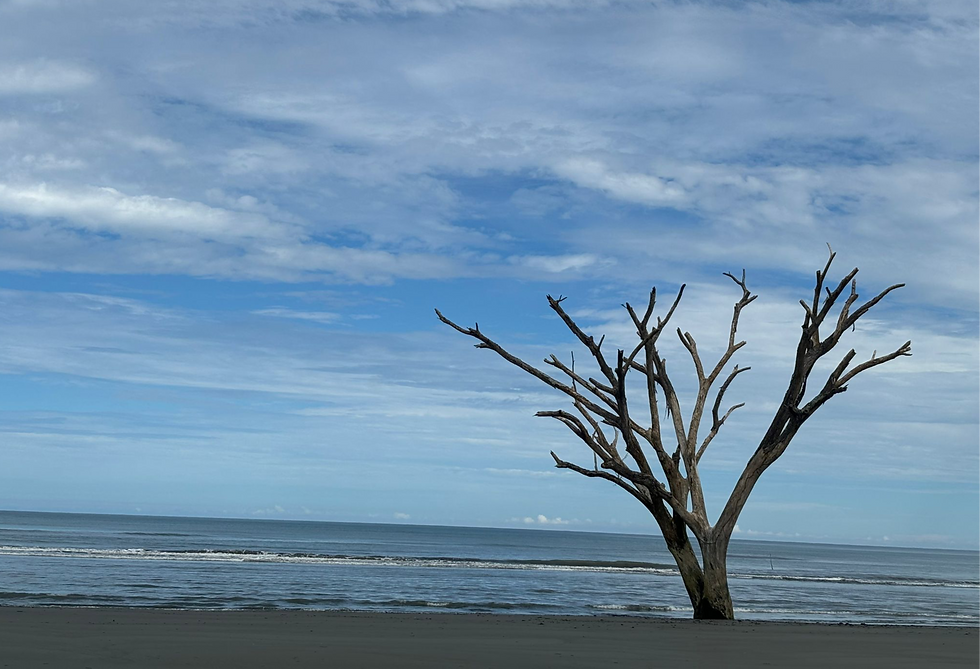
These days, my work in climate mobility deepens those lessons. I’ve seen how rising seas and shifting lands move more than just people. They move culture, memory, and language.
In places like Mulitaka, Kukipi, and the Carteret Islands, families are not just rebuilding homes, they are rebuilding identities. Every time a coastline disappears, a word goes with it: the name of a fishing spot, a kind of soil, the rhythm of a tide. But new words also rise, words for resilience, for courage, for starting again.
When I listen to these communities, I hear new words forming and new sounds. They are learning to pronounce survival in new ways, and it sounds, always, like hope.
Finding My Voice Again
“Each accent I carry is a map — not of where I’m from, but of everywhere I’ve learned to belong.”
Sometimes, when I feel far from home, I think of my grandmother again, her gentle voice saying, “As long as I speak, you speak and your children speak our language it lives.” She was talking about language, but I think she was also talking about us, our identities, our ways of being in the world. If we practice them and pass it forward these practices lives on.
Now, when I speak in all my different accents and languages, Agarabi, Tok Pisin, English, I feel her in every syllable. My voice has become a map of everywhere I’ve lived, and everyone who has loved me enough to teach me their words.
Maybe this isn’t a story about climate mobility or linguistics after all. Maybe it’s a story about how identity moves, how language carries us when the ground shifts, and how every accent, every name, every story becomes a home we rebuild again.
If this blog piece has inspired you to share a traditional, cultural creative piece or opinion piece in connection to the subject matter, comment below collaborate! Or contact us directly, and don't forget to click follow on our social media pages for the latest blog updates.
About the Collaborator
Beautlyn Eliab is a Papua New Guinean linguist, storyteller, and development practitioner whose work bridges community resilience, gender equality, and climate mobility across the Pacific. A graduate of Victoria University’s Master of International Community Development program, she works with organisations such as IOM and Oxfam to strengthen locally led programs and projects. Beautlyn also writes about social issues, culture, and tradition—exploring how stories, language, and everyday voices shape belonging in a changing world.


Comments